About the layout
Why does an ATM keypad have letters?
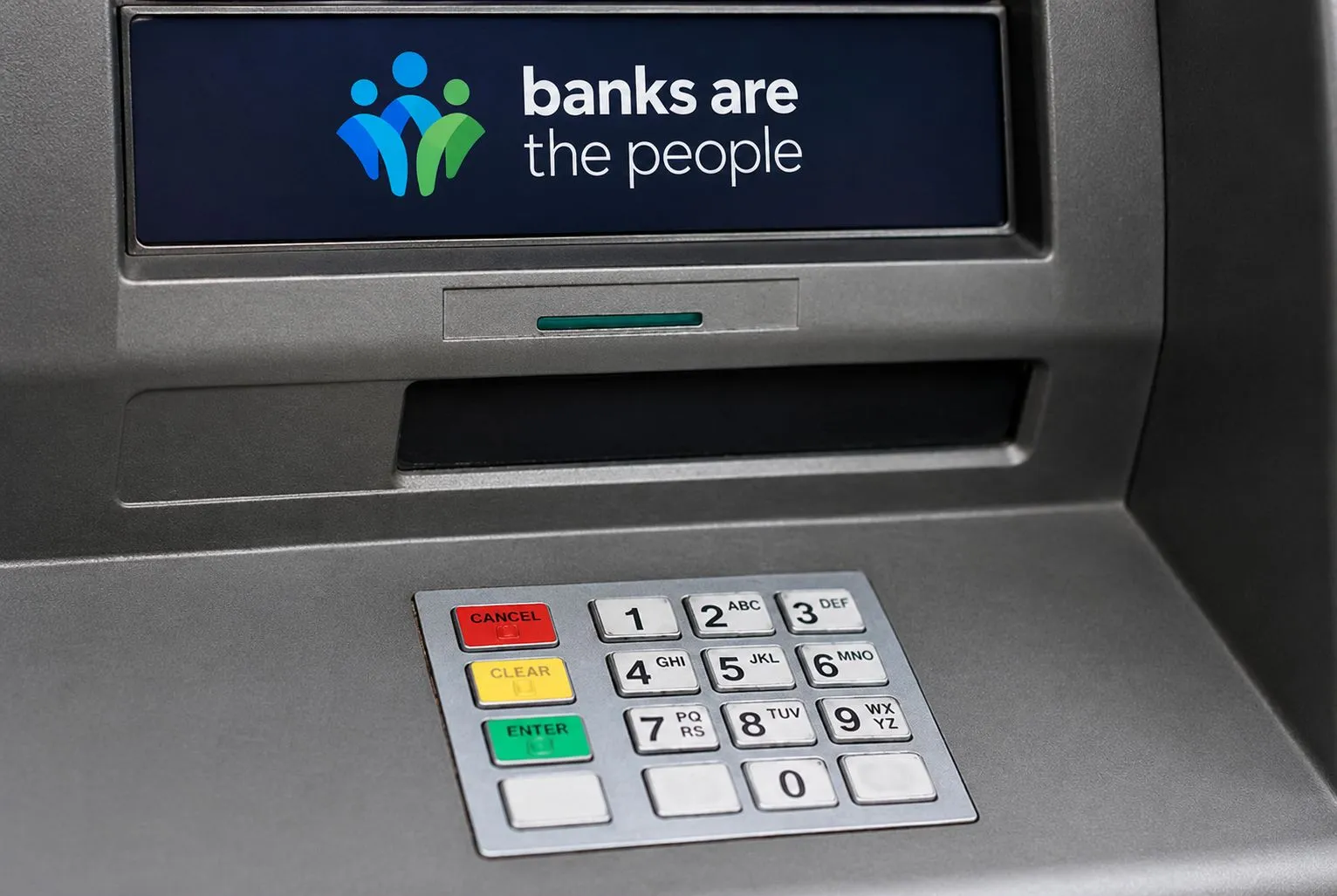
The letters on an ATM keypad follow ITU E.161, an international standard originally designed for telephone dialling. Each digit is assigned a fixed group of letters: 2 carries A, B and C; 3 carries D, E and F — continuing in sequence to 9, which holds W, X, Y and Z.
Keys 1, 0, * and # carry no letters. This is a convention carried over from early telephony, where those positions were reserved for operator and signalling functions rather than alphabetic input.
Helpful to know: Because the mapping is standardised, any four-letter word can serve as a memorable way to recall your numeric PIN on any cash machine worldwide.